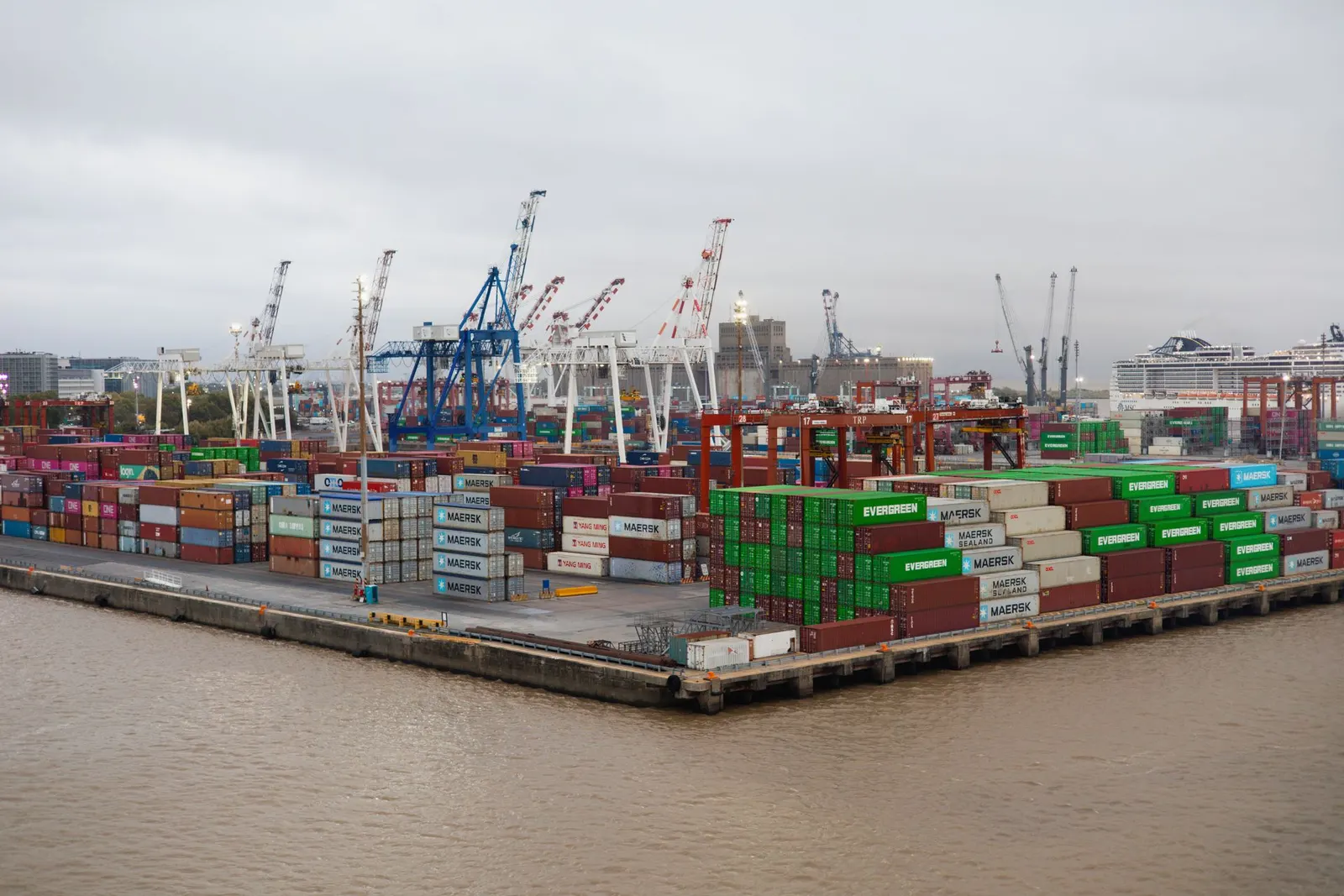
Container Delivery in Saudi Arabia: Site Preparation, Trucks and Placement
How shipping containers are delivered in Saudi Arabia — tilt-bed, side-loader and crane trucks — plus how to prepare level ground, access and clearance so delivery day goes smoothly.

Quick answer
Before a container delivery, prepare firm, level ground (compacted gravel, concrete pads or sleepers under the corners), a clear and wide access route, and overhead clearance free of cables and branches. Tell your supplier the site layout so they send the right truck: a tilt-bed, a side-loader or a crane truck.
Key takeaways
- Level ground keeps the doors square — an uneven box won't open or seal properly.
- Support the corners: that's where the container carries its weight.
- Access and clearance decide which truck can deliver.
- Share photos of the site before delivery day.
Most delivery problems have nothing to do with the container — they're about the ground and the access. A little preparation saves a wasted trip, a second delivery charge, or a container sitting somewhere you didn't want it.
What kind of truck delivers a shipping container?
| Method | How it works | Needs on site |
|---|---|---|
| Tilt-bed / roll-off | Bed tilts and the container slides off | Long straight run in front of the placement spot |
| Side-loader | Lifts the box off the trailer and sets it beside the truck | Firm ground and width alongside the truck |
| Crane truck / mobile crane | Lifts the container over obstacles into place | Space for outriggers; clear overhead |
| Flatbed + site forklift | Unloaded by the customer's own equipment | A forklift or reach stacker rated for the weight |
How should you prepare the ground for a container?
- Level: an out-of-level container racks slightly, and doors that don't line up won't close or seal.
- Firm: compacted gravel, a concrete slab, or concrete blocks / timber sleepers under the four corners.
- Dry: keep the container off standing water and allow drainage so the floor and bottom rails last longer.
- Raised slightly: a small gap under the floor adds airflow and reduces corrosion.
How much space does a container delivery need?
It depends on the truck. A tilt-bed needs a long, straight approach in front of the placement spot — roughly the length of the truck plus the container again — while a side-loader needs width beside the truck. Overhead, allow clearance for the container to be raised, with no power lines or branches. We confirm the method once we've seen your site.
What to tell your supplier before delivery
- 1Exact location with a map pin, and the gate or entry point.
- 2Photos of the access route and the placement spot.
- 3Ground type and whether it is level.
- 4Any height, width or weight limits on the route (gates, bridges, cables).
- 5Which way the doors should face.
- 6A contact person on site at the delivery time.
Send us your location and a couple of site photos and we'll confirm the delivery method and cost.
Get a delivery quote